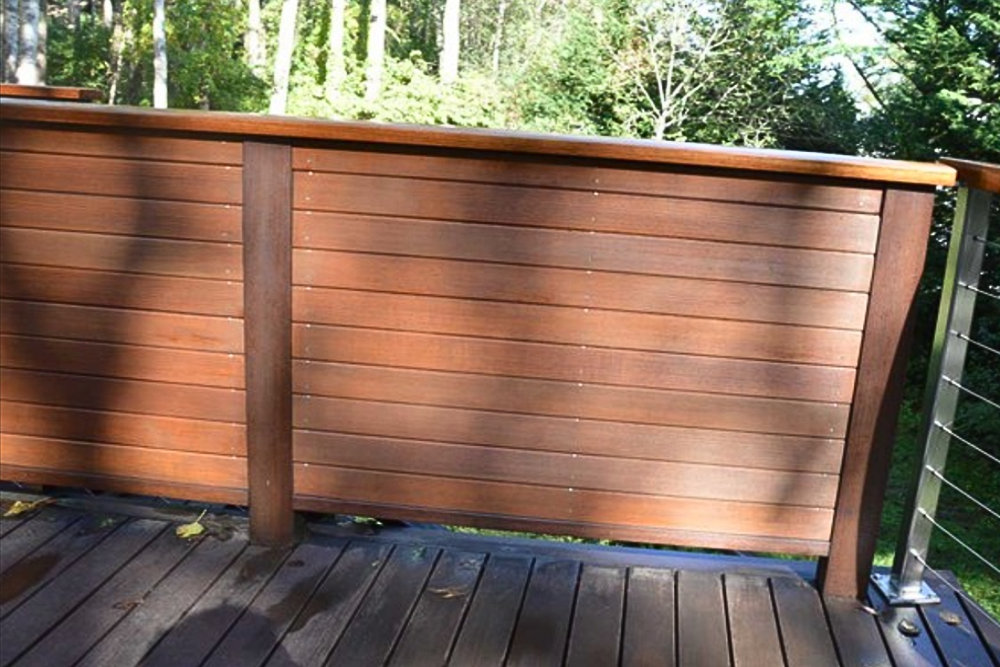
We get many calls each year about cedar siding turning black.
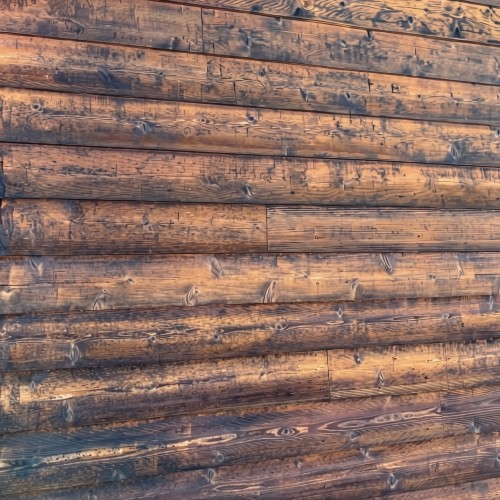
Some folks call before they start cleaning the wood to make sure they do it right. Others call after trying one or more internet suggestions that didn’t fix the issue, often creating another problem to fix. Ultimately, everyone wants to know what it is, how it happened, how to remove it, and, most importantly, how to make sure it never returns.
We’ll address a few key chemical and practical details to explain why black stains form, how our cleaning method works, and why other methods failed so miserably.
The black areas on your wood siding could be one or more of the following –
- Iron Stains look like streaks dripping from nails or fasteners, caused by a chemical reaction between metals and cedar tannins
- Sun Damage happens when the finish wears off, roughens the wood’s texture, creating micro-gaps that lead to tannin bleed, mold, or mildew
- Tannin Bleed happens when the finish wears off, rain hits bare wood, and the natural tannins come to the surface, looking like brown or black stains
- Mold has a raised texture with a slimy or fuzzy feel and thrives in warm or damp environments. It digests organic material from the wood or finish and has roots digging into the porous grain
- Mildew is flat and powdery and comes off on your skin. It feeds on grime and dew on the wood's surface and thrives in warm or damp environments.
We recommend a two-step Deep Cleaning process to remove all the above issues, found in our Blog article, How to Clean Wood Siding in 4 Easy Steps.
The Tandem Effect of Our Two-Step Deep Cleaning Process
Step 1: Oxygen Bleach (Sodium Percarbonate)
What it targets: Organic matter—mold, mildew, algae, dirt, and oxidized gray wood fibers.
How it works: Oxygen bleach breaks down organic cell walls through oxidation and lifts dirt using effervescent bubbles. It acts as a heavy detergent and stripper of biological growth.
Step 2: Oxalic Acid (Brightener & Neutralizer)
What it targets: Tannin bleed (dark black/brown natural extractives in cedar/redwood) and iron stains (black spots caused by wet wood reacting with metal fasteners or iron in water/tools).
How it works: Oxalic acid is a chelating agent. It binds to iron ions and solubilizes insoluble iron tannate compounds (the black ink-like stains), making them water-soluble so they wash right off. It also lowers the wood's pH back to neutral, restoring its bright, natural color.
Using an alkaline cleaner (oxygen bleach), followed by an acid neutralizer (oxalic acid), is the gold standard for cleaning and prepping exterior wood siding before applying a fresh coat of stain.
Don’t shortcut the process by mixing the oxygen bleach and oxalic acid together – it’s two steps for a reason!
Is there a chemical reaction between Oxygen Bleach and Oxalic Acid? No, not a direct, simultaneous chemical reaction—and that’s a good thing —but you shouldn't mix oxygen bleach and oxalic acid in the same bucket. Oxygen bleach creates alkaline hydrogen peroxide in water (high pH). Oxalic acid is an organic acid (low pH). When mixed, they neutralize each other, killing the cleaning power of both.
Why Do Other Wood Siding Cleaning Methods Fail?
Mistake #1: Assuming oxygen bleach (or standard soap) kills tannin/iron stains. Oxygen bleach breaks down mold/mildew, but it will not remove severe tannin bleeding or iron rust stains. If you only use oxygen bleach, the wood gets clean of dirt/mold/mildew but stays black from tannins and iron.
Mistake #2: Skipping Oxalic Acid. Without oxalic acid, tannin-rich woods (like Western Red Cedar or Redwood) turn dark and blotchy after washing with high-pH cleaners. Oxalic acid is the mandatory second step to erase that darkness.
Mistake #3: Sanding Rough-Sawn Siding. Sanding rough-sawn wood destroys the textured, resawn surface, leaving flat, glazed patches that don't absorb stain evenly and waste hours of labor. It is the ultimate amateur move for resawn siding.
Mistake #4: Using Chlorine bleach. Chlorine bleach (sodium hypochlorite) is a harsh oxidant that breaks down wood’s structural fibers, strips away wood’s natural color, and while it bleaches out mold/mildew stains, it often doesn’t kill the roots embedded in the wood. It doesn't fix any of the "why did my cedar turn black" issues long term.
Mistake #5: If you’ve already used chlorine bleach, you must rinse the wood thoroughly, then apply oxalic acid to neutralize the chlorine residue, lower the pH, and restore the wood's rich natural tone before staining.
Other cleaning methods often fail because someone skipped Step 2 of the Two-Part Process or used chlorine bleach exclusively without understanding wood chemistry.
Prevention Is the Easiest and Cheapest Route
Don’t delay Deep Cleaning and refinishing your wood siding when it’s time; prompt cleaning and refinishing help prevent cedar siding from turning black.
Keeping a good finish coat on your wood siding isn’t just about beauty; it reduces maintenance.
To increase the wear life of your finish, do Maintenance Cleaning every year or two. This removes dirt and debris that build up on the finish and breaks it down, meaning you can go longer between refinishes.
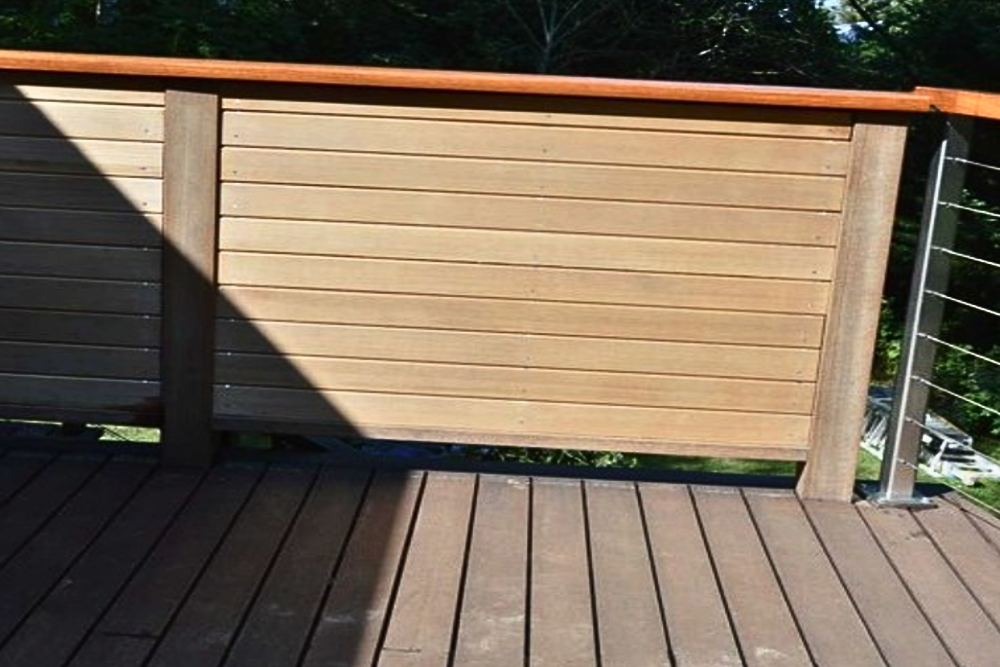
Above, you can see a thoroughly-cleaned span of fencing, and below, that same span, refinished.